





Pre-Demolition Audits explained: what they are and why your project needs one
If you’re planning a major demolition or refurbishment project, you may be under pressure to cut down your disposal costs and demonstrate meaningful sustainability outcomes. Pre-Demolition Audits (PDAs) help you understand which materials and elements can be reused from your existing building, in turn reducing the costs and environmental impact of your project.


In this guide, we explain everything you need to know about Pre-Demolition Audits, so you can unlock practical sustainability benefits from the outset.
What is a Pre-Demolition Audit?
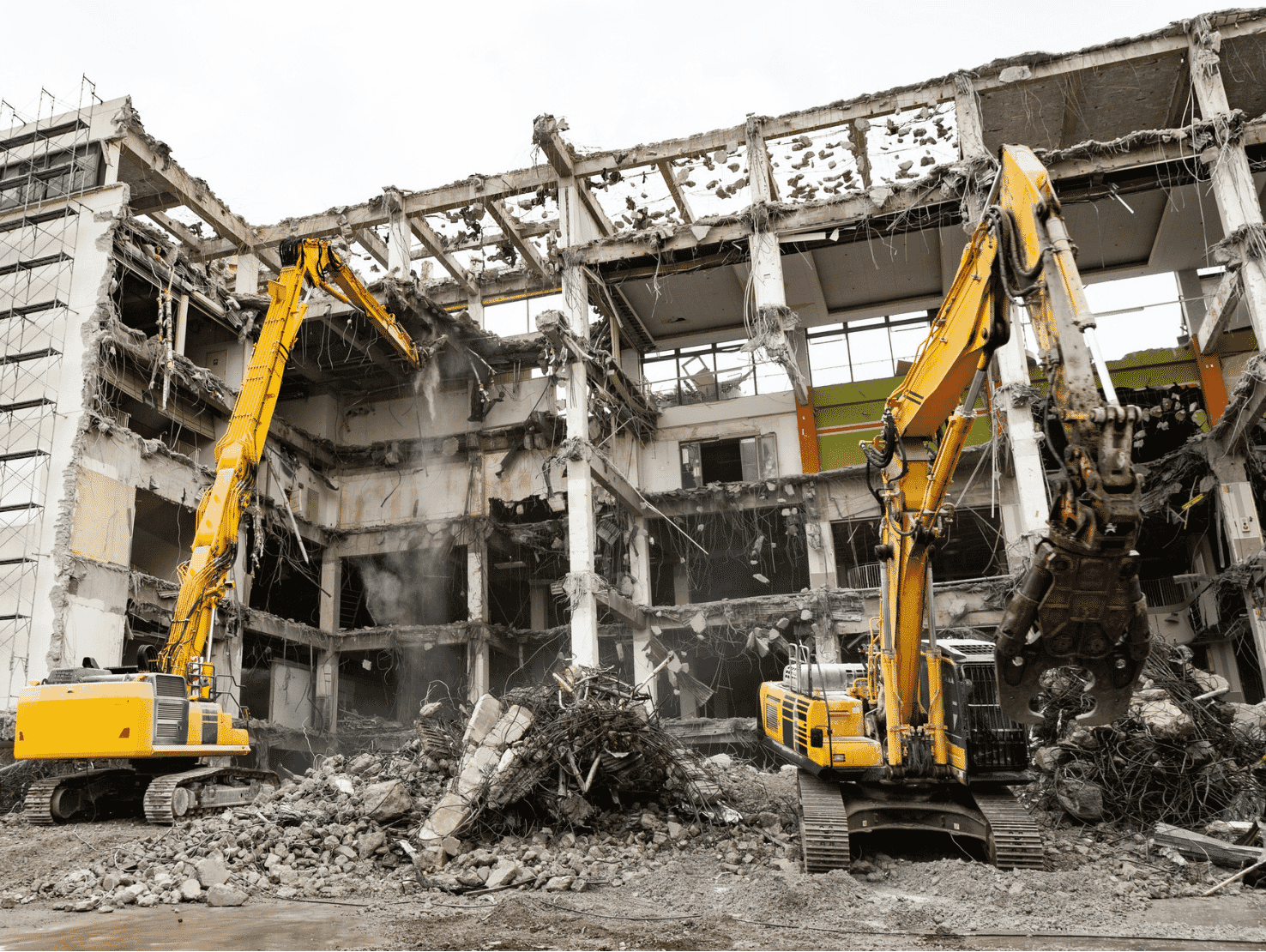
A Pre-Demolition Audit (PDA), also referred to as a Pre-Demolition Survey, is a structured assessment that’s carried out before a building is demolished or refurbishment. Its primary purpose is to identify the materials and components being used within a building, and determine how they can be reused, recycled, or recovered during the demolition or refurbishment process.
Pre-Demolition Audits provide a detailed inventory of all materials used within the building, including:
- Structural elements (steel, concrete, timber)
- Internal finishes and fixtures
- Mechanical and electrical equipment
- Façade systems and glazing
Rather than viewing demolition as the endpoint, Pre-Demolition Audits reframe this process as an opportunity to extract value from your existing building. They give you a clear strategy to help maximise material recovery and divert waste from landfill, which significantly reduces your project’s environmental impact.
When is a Pre-Demolition Audit required?
Although Pre-Demolition Audits are not universally mandated for all projects, they are becoming more commonplace, particularly for urban developments and larger schemes.
You may need a Pre-Demolition Survey if:
- Your project is subject to planning conditions that require you to complete a Site Waste Management Plan or circular economy statement
- You’re targeting BREEAM certification or other sustainability standards
- Your development is located in an area where the local authority prioritises waste reduction and material reuse (such as London)
- You’re planning significant demolition or strip-out works
Even if a PDA is not strictly required for your development, it delivers a whole host of benefits that you can’t afford to ignore – more on that below.
Why are Pre-Demolition Audits important?
The construction industry is one of the largest contributors to waste in the UK, accounting for 61% of all waste generated in 2020. A Pre-Demolition Audit directly addresses this challenge by identifying which materials you should retain, reuse, or recycle, which helps to significantly reduce the amount of waste generated during your project.
Pre-Demolition Surveys help you:
- Gain greater control over materials and value – PDAs give you clear visibility over which materials can be reused, recycled, or recovered, allowing you to retain value within your project rather than sending materials to landfill.
- Reduce your disposal costs – by separating your materials in advance, you can lower your waste disposal costs, avoid unexpected charges, and streamline demolition activities on-site.
- Achieve planning permission and BREEAM certification – conducting a Pre-Demolition Audit can help you comply with local planning conditions and the BREEAM assessment criteria.
- Improve your project’s environmental performance – PDAs help to reduce the amount of waste and embodied carbon generated, which improves the overall environmental performance of your project.
What does the Pre-Demolition Audit process involve?
1) Desktop review
Your assessor will begin by reviewing your existing building information, including all drawings, specifications, and previous surveys.
2) Site inspection
Next, they’ll visit your site to gather data around the materials, construction methods, and condition of key elements within the existing building.
3) Materials inventory
Your assessor will then categorise all identified materials, often with estimated quantities and classifications based on their reuse or recycling potential.
4) Recommendations and reporting
You’ll receive a final report with clear recommendations regarding:
- Which materials are suitable for direct reuse
- Which components can be recycled or recovered
- Any hazardous materials that require specialist handling
- Opportunities for deconstruction rather than traditional demolition
These recommendations will help to inform your demolition strategy and ensure you handle materials in a way that maximises their value while minimising their environmental impact.

How Encon Associates can support your demolition project
At Encon Associates, we offer comprehensive Pre-Demolition Assessments to help you reduce waste and improve the environmental outcomes of your project.
We start by building up a complete picture of your project scope and requirements, before carrying out a detailed site survey of your existing materials and components. We’ll then supply you with a detailed report outlining material classifications and opportunities for reuse or recycling. But our support doesn’t stop there – our expert assessors remain on-hand to provide helpful advice and guidance throughout the demolition process, ensuring you maximise the value of every material used.
Contact us to discuss your requirements and arrange your Pre-Demolition Audit.
Call: 01159 875 599 or email:









Great service from the Encon Associates team. They were professional, quick and reliable in all dealings with us, from the initial enquiry to completion. Highly recommended.
