







Biodiversity Net Gain Updates for 2026: What Developers Need to Know
Discover the latest Biodiversity Net Gain updates for 2026 and learn how developers can prepare for changing planning requirements.

What Biodiversity Net Gain Updates Mean for Developers
Biodiversity Net Gain (BNG) continues to shape the future of development across England. Although it has now become an established part of the planning process, several important changes are due to take effect during 2026 that could influence how projects are designed, assessed and delivered.
With new exemptions for smaller sites, updates to the Biodiversity Metric, and the rollout of BNG to major infrastructure projects, there’s a lot for developers to keep track of. Staying on top of these changes is the best way to keep your projects compliant and avoid unexpected delays.
Whether you’re planning a residential scheme, a commercial build, or an infrastructure project, getting a handle on these updates early will help you map out risks and keep everything running smoothly.
New BNG Rules Coming into Effect This Summer
Smaller Sites May No Longer Require BNG
Developments covering 0.2 hectares or less may no longer need to deliver Biodiversity Net Gain, provided they do not impact any priority habitats.
Temporary developments granted planning permission for up to five years are also expected to fall outside the BNG requirements.
However, while these changes could reduce the regulatory burden for some schemes, each site should still be carefully assessed, as exemptions will only apply under specific circumstances.
Self-Build Projects Will Be Included
At the same time, the current exemption for self-build and custom-build developments is expected to end.
This means many smaller residential projects that previously fell outside the legislation will now need to demonstrate biodiversity improvements as part of the planning process.
Greater Flexibility for Minor Developments
For smaller developments that remain within the scope of BNG, the Government is proposing a more flexible approach to delivering biodiversity enhancements.
Rather than prioritising habitat creation solely within the development boundary, off-site habitat creation will be given equal consideration for qualifying minor developments.
This could make compliance significantly easier for constrained urban sites where creating meaningful habitats on-site is difficult.
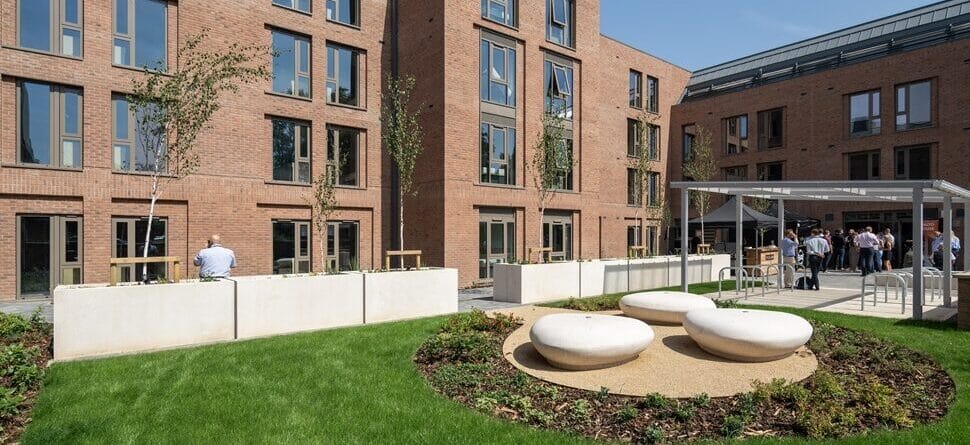


We can help you identify the most practical route to achieve BNG
What Else Is Expected Later in 2026?
Potential New Exemptions for Brownfield Development
The Government is considering further exemptions for certain residential developments on previously developed (brownfield) land.
If introduced, these proposals could also extend to projects designed to improve biodiversity, public parks, playing fields and other green spaces.
While these proposals are still under discussion, developers should monitor future announcements as they may influence project viability and planning strategies.
BNG Will Apply to Major Infrastructure Projects
From 2 November 2026, Biodiversity Net Gain requirements are expected to extend to Nationally Significant Infrastructure Projects (NSIPs).
This will bring major transport, energy and utility developments into the BNG framework for the first time, increasing the importance of early ecological planning on nationally important schemes.
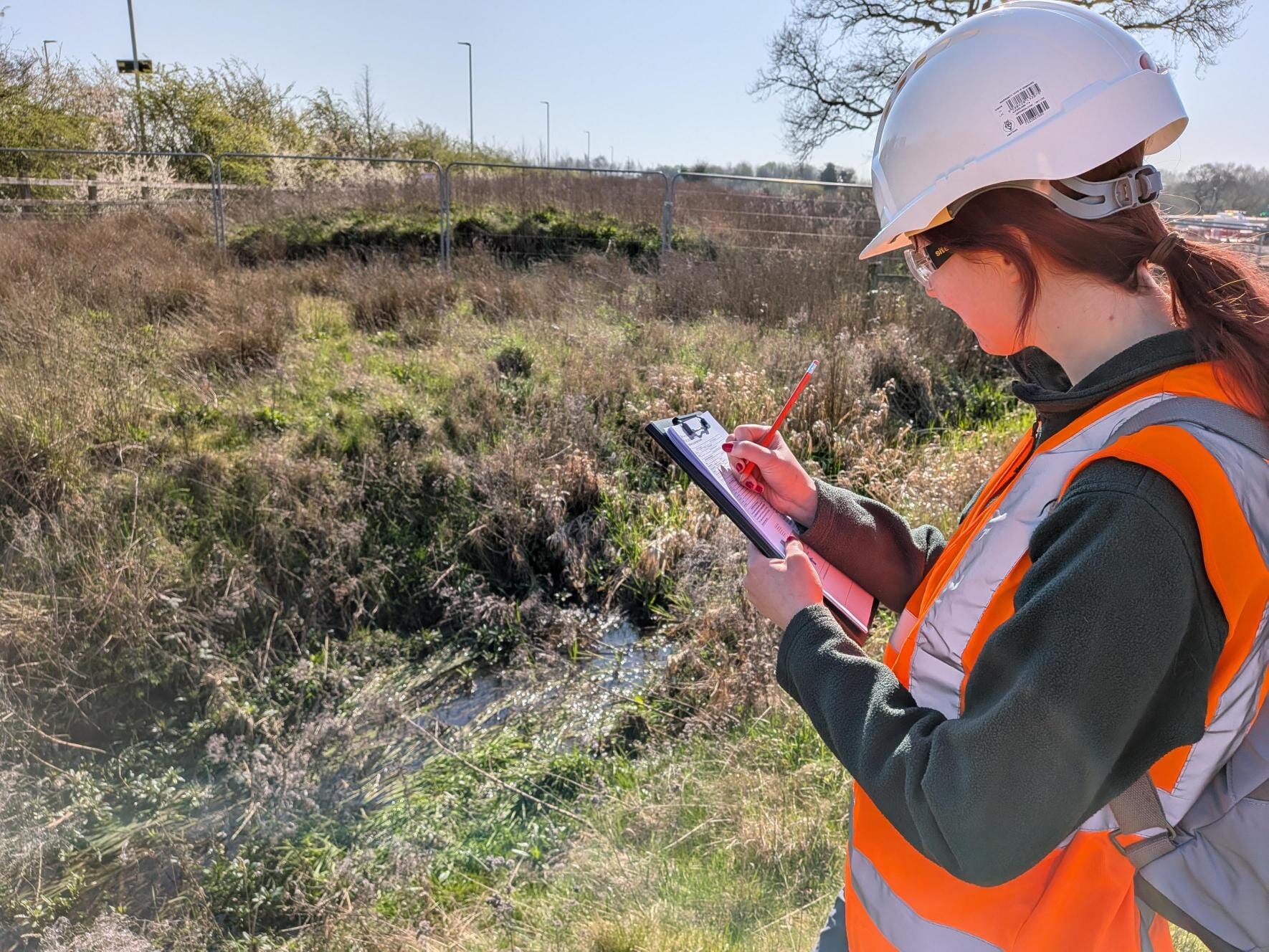

Changes to the Biodiversity Metric
The statutory Biodiversity Metric is also expected to receive several updates later this year. Proposed improvements include:
- New spatial risk calculations linked to Local Nature Recovery Strategies (LNRSs)
- Updated guidance for Open Mosaic Habitat and urban habitat assessments
- A potential new medium distinctiveness category for urban habitats
- Revised approaches to watercourse assessments
- A move from spreadsheet-based calculations to a digital assessment platform
To help minimise disruption, transitional arrangements are expected, allowing projects already progressing through planning to continue using the existing metric for a defined period.
Why These Changes Matter
Although some developments may benefit from new exemptions, Biodiversity Net Gain remains a key planning requirement introduced under the Environment Act 2021.
Developers should also expect greater emphasis on wider environmental strategies, including:
- Local Nature Recovery Strategies (LNRSs)
- Strategic Development Strategies (SDSs)
- The emerging Land Use Framework
These initiatives will increasingly influence where habitat creation is most beneficial and how biodiversity improvements contribute to wider environmental objectives.
Projects that consider biodiversity at the earliest design stages are likely to experience smoother planning processes and greater certainty throughout delivery.
Early ecological input can save time, reduce planning risks and identify opportunities for efficient biodiversity delivery. Speak with our specialists before your project progresses too far.
Speak to Our Ecology Team
Preparing for the Future of Biodiversity Net Gain
BNG is continuing to evolve beyond a planning requirement into an integral part of sustainable development.
While the Government is introducing targeted changes to improve flexibility for certain developments, the overall expectation remains unchanged: development should leave biodiversity in a better state than it was before.
As planning policy becomes more closely aligned with wider environmental strategies, developers who embed ecological thinking into their projects from the outset will be best positioned to achieve compliance, reduce delays and create long-term value.


We’ve partnered with Encon Associates on multiple occasions over the past five years, and their performance has consistently exceeded expectations. Their consultancy expertise is truly outstanding, and we fully intend to continue working with them in the future. We would confidently recommend Encon Associates to anyone seeking reliable, high-quality support for their projects.
Speak to Our Ecology Team
Get in touch today to discuss your project and ensure your development is fully prepared for the latest Biodiversity Net Gain requirements.



We partner with organisations like yours