






Sustainability in Football: Major Tournaments Are Driving Greener Stadiums
Discover how sustainability in football is transforming stadium design, transport and energy ahead of the 2026 World Cup and the journey to Net Zero.

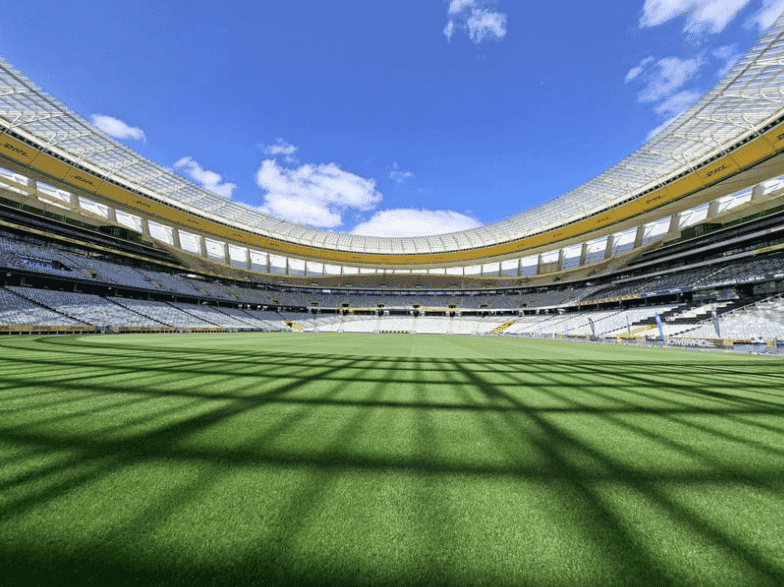
As football continues to captivate billions of fans worldwide, the sport is increasingly being recognised for its environmental impact. From the construction of stadiums to the energy they consume and the transport networks that support matchdays, football has a significant carbon footprint. Today, however, sustainability in football is becoming a central focus, with clubs, governing bodies and developers investing in greener infrastructure that supports long-term environmental goals.
With the ongoing 2026 FIFA World Cup on the horizon, sustainability has never been more relevant. Hosted across the United States, Canada and Mexico, the tournament is placing greater emphasis on reducing emissions, improving energy efficiency and making better use of existing infrastructure. These initiatives reflect a wider global movement towards Net Zero and demonstrate how football can help drive sustainable development both on and off the pitch.

Achieve your sustainability goals
Why Sustainability in Football Matters
The environmental impact of football extends far beyond the ninety minutes played on the pitch. Stadium construction, operational energy use, water consumption, waste management and supporter travel all contribute to greenhouse gas emissions.
In the UK, the government’s commitment to achieving Net Zero carbon emissions by 2050 is influencing every sector of the built environment, including sports infrastructure. Developers are increasingly expected to reduce both embodied carbon within construction materials and operational carbon throughout a building’s lifetime. This shift means sustainability must be considered from the earliest planning stages through to long-term operation.


Sustainable Stadium Design Is Raising the Standard
Modern stadiums are no longer designed solely to maximise capacity and enhance the spectator experience. Today, sustainable stadium design plays a vital role in reducing environmental impact while improving operational efficiency.
Many new and refurbished sports venues now incorporate:
- Energy-efficient LED lighting systems
- Solar photovoltaic panels and renewable energy technologies
- Rainwater harvesting and water-saving measures
- Low-carbon construction materials
- High-performance insulation and building fabric
- Smart building management systems
- Green roofs and biodiversity enhancements
- Electric vehicle charging infrastructure
These measures not only reduce operating costs but also support planning requirements and environmental certification schemes such as BREEAM, helping projects demonstrate their sustainability credentials.
Green Sports Venues Leading the Way
Across the world, football stadiums are demonstrating how environmental responsibility can be integrated into sporting infrastructure.
Examples include venues that generate renewable electricity through solar power, utilise rainwater harvesting systems, reduce single-use plastics, improve biodiversity around stadium sites and encourage supporters to travel using public transport or active travel routes.
These green sports venues show that sustainability extends far beyond the building itself. Successful projects consider every stage of the visitor experience, from how spectators arrive at the stadium to how energy and resources are managed throughout events.
As expectations continue to grow, low carbon stadiums are becoming an increasingly important benchmark for future developments.
Our Experience in Stadium Developments
Encon Associates has worked on a number of stadium and sports developments across the UK, providing specialist consultancy services that support sustainable planning and development.
Interested in seeing our work?
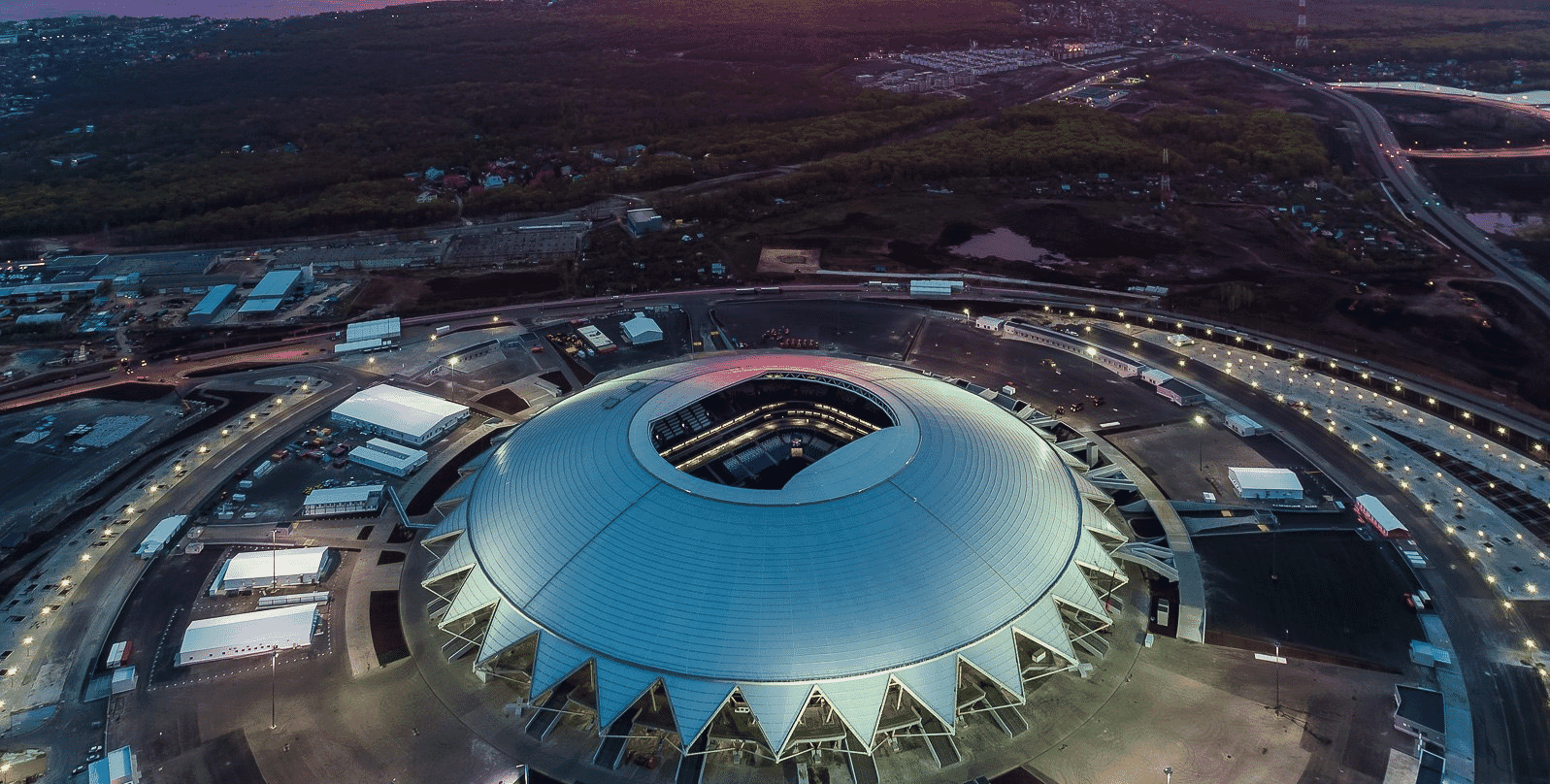
Encon Associates has supported a range of major sports and leisure developments, including work on an international FIFA World Cup stadium project. Our multidisciplinary expertise spans transport planning, energy assessments, environmental consultancy and sustainability services, helping complex developments meet planning and environmental requirements.
Looking Ahead
The future of football extends far beyond what happens during the match. As governments, governing bodies and developers work towards ambitious climate targets, sustainability in football will continue to shape how stadiums are designed, built and operated.
With the 2026 FIFA World Cup bringing renewed attention to environmental performance and the UK’s Net Zero 2050 ambitions driving change across the built environment, sustainable stadium design is becoming an essential part of modern sports infrastructure.
Whether through energy-efficient buildings, sustainable transport planning, low-carbon construction or environmental assessments, today’s investments are helping create greener football venues for generations to come.
Samara World Cup Stadium
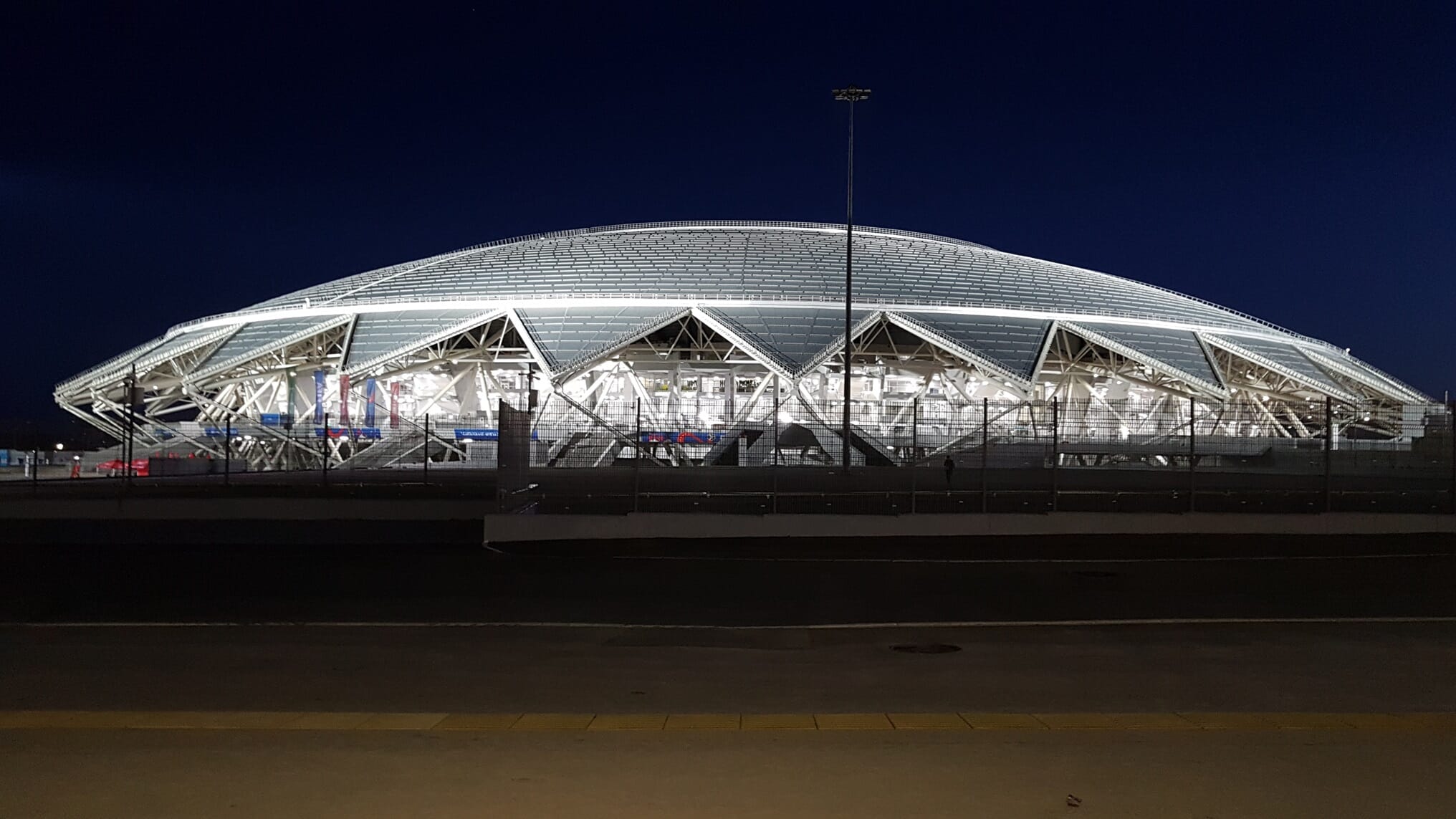
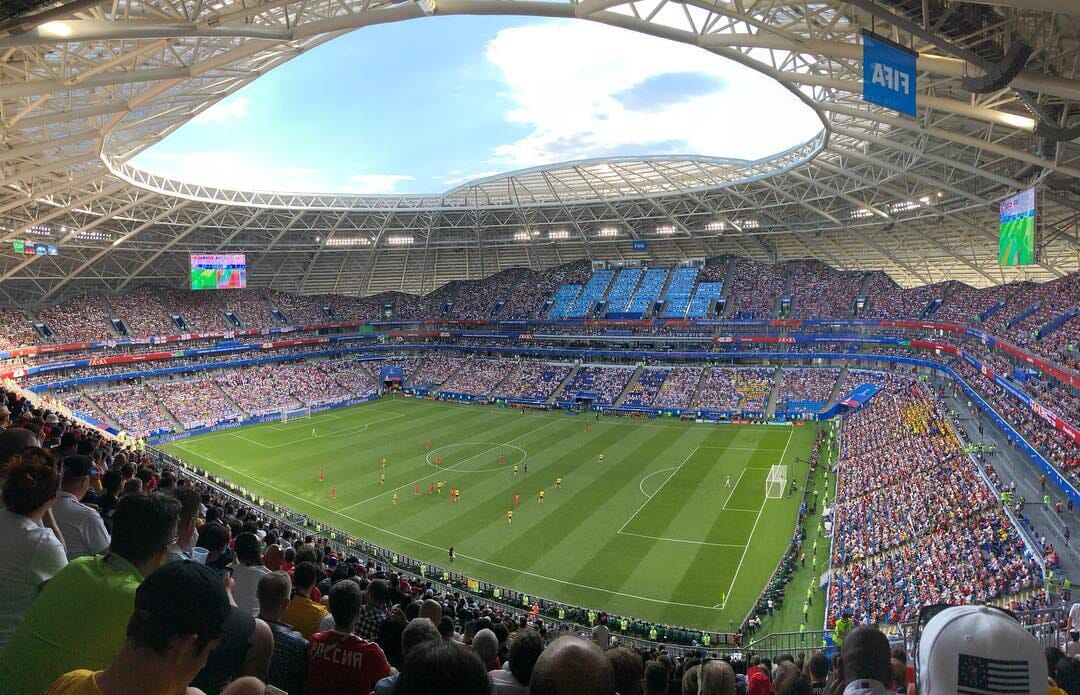
Encon Associates provided specialist BREEAM consultancy, energy assessment services and 3D modelling for the $180 million Samara World Cup Stadium in the Russian Federation. Developed for the 2018 FIFA World Cup, the purpose-built venue was designed to target BREEAM Excellent under the BREEAM International Bespoke methodology.
-
Client Jones Lang LaSalle
-
Location Samara Oblast, Russian Federation
-
Period 2014-2016

We found Glenn Miles to be extremely helpful and professional, particularly when outlining to ourselves, the uninitiated in SAPS, its connotations and the various methods involved. We recommend Encon.