





Biodiversity Net Gain (BNG) checklist for developers
Did you know that Biodiversity Net Gain (BNG) is a key planning requirement for most developments in England?

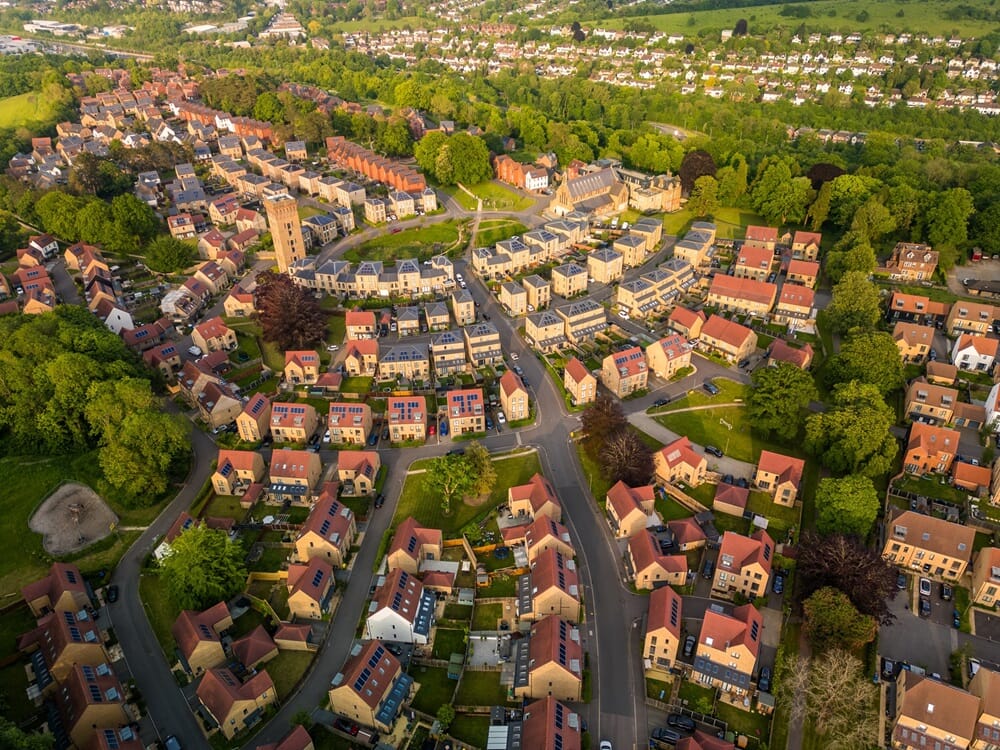
Whether you’re planning a residential, commercial, or mixed-use scheme, BNG could have a significant impact on your project’s design, budget and timeline. To help you prepare, we’ve created this practical Biodiversity Net Gain checklist covering everything you need to do before planning, during design and after consent.
1) Check whether BNG applies to your development
The first step is confirming whether your scheme is subject to BNG planning requirements. Most developments in England must now deliver a minimum 10% Biodiversity Net Gain, although some exemptions apply for certain householder applications or very small-scale developments.
You should start by:
- Confirming whether BNG applies to your development
- Checking if any exemptions apply to you
- Reviewing your Local Planning Authority’s (LPA) BNG policy
- Identifying any obvious ecological constraints on-site
This is also the best time to appoint an Ecologist, before your design becomes too fixed. As our Ecologist, Alana Wooley, explains, “The earlier in the planning process an Ecologist is involved, the more the designs can be influenced to minimise BNG costs for the site.”
2) Commission your baseline ecological surveys
Once you’ve confirmed your BNG requirements, it’s time to measure what’s already on-site. You’ll need to complete a condition assessment survey, but if there are protected species present or considered likely to be present, then you may also need to commission further species-specific surveys.
Your Ecologist will classify the habitats and assess their conditions and distinctivenesses within your development boundary. They’ll then enter this information into the statutory BNG metric to calculate your pre-development biodiversity units and confirm which habitats would be most beneficial to be retained or enhanced within your scheme.
Timing is especially important here. As Alana notes, “If we’re brought onto site before any habitats have been disturbed and before plans are too set, then we can recommend the most important habitats to retain and enhance. But if habitats are removed prior to our surveys, this greatly increases the costs of the BNG requirements.”
3) Use the BNG metric to test your layout
Next, use the BNG metric to test your layout design. When used early, the BNG metric can help you understand how different layouts might affect your Biodiversity Net Gain results and whether your design is likely to meet the required 10% uplift.
For example, if you demonstrate that you have protected and retained an existing hedgerow or mature trees on-site, this could significantly improve your score and reduce the need to purchase off-site units. But if you wait until your plans are fixed, you may have fewer options available and could face more expensive compensation measures.
4) Apply the mitigation hierarchy
In order to deliver BNG successfully, you need to demonstrate that you have followed the mitigation hierarchy. You must take the following steps in the order outlined below:
- Avoid harm by retaining important habitats wherever possible
- Mitigate harm by creating buffer zones around sensitive habitats or introducing protection measures
- Compensate for unavoidable loss by creating new habitats or enhancing existing ones
On-site delivery is the preferred approach here, meaning creating or enhancing habitats within the development itself. This makes it much easier to achieve your BNG requirements and reduces the need to purchase off-site biodiversity units.
5) Build habitat creation into your masterplan
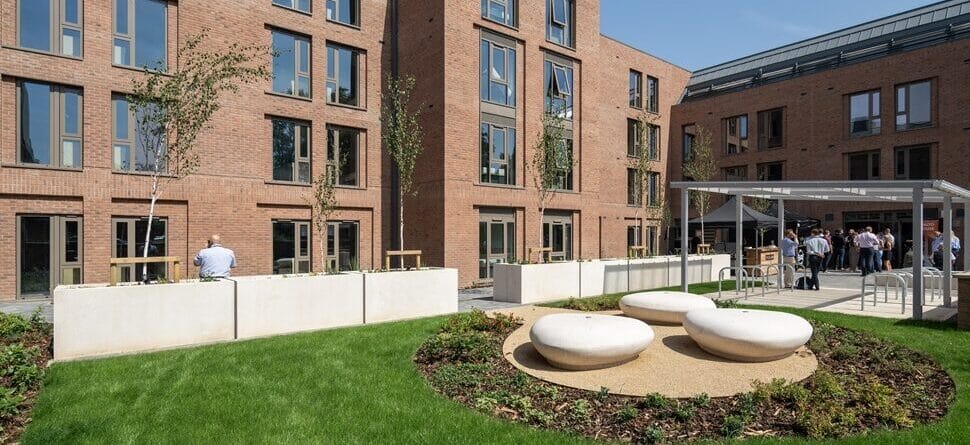
With a clear understanding of your baseline, you can now design habitat creation and enhancement into your development. This could include native planting, hedgerow enhancements, species-rich grassland, ponds, wetlands, SuDS features, tree planting, or habitat corridors.
At this stage, you should:
- Calculate your post-development biodiversity units
- Confirm whether your development will meet the 10% net gain requirement
- Prepare an outline Habitat Management and Monitoring Plan (HMMP) (if this is required by the LPA)
- Consider who will manage the habitats over the long term and how this will be funded
With the right strategy in place, you could find that you exceed the minimum 10% requirement. As Alana highlights: “If this is done effectively enough, developers can even make over the mandatory +10% BNG net gain on the site, which allows them to potentially sell units and make money from the process.”
6) Plan for off-site biodiversity units (if required)
If you can’t achieve the required uplift on-site, then you may need to secure off-site biodiversity units. You should explore this as early as possible, especially if your site has limited space to create habitats or if high-value habitats will be affected.
You’ll need to:
- Confirm the size of your BNG shortfall
- Check what units are available from BNG providers
- Understand the likely unit costs by habitat type and location
- Ensure you properly register and allocate each unit
- Discuss the proposed approach with your Local Planning Authority
7) Prepare your Biodiversity Net Gain plan
You’ll now need to prepare a Biodiversity Net Gain plan that explains how your development will meet its BNG requirements. The plan must be approved by your LPA before development can begin.
Your plan needs to include:
- Your pre-development biodiversity value
- Your predicted post-development biodiversity value
- Your completed BNG metric calculation
- Details of any retained, enhanced and newly created habitats
- Details of any off-site units or statutory biodiversity credits
- Evidence that you have followed the mitigation hierarchy
- Your Habitat Management and Monitoring Plan (if the LPA requires this)
8) Protect your BNG commitments during construction
Once you’ve submitted your BNG plan and obtained planning permission, you’ll need to ensure that you carry your BNG commitments through into construction. Your contractor must understand which habitats are being retained, which areas are protected and what ecological measures need to be followed on-site.
Depending on your scheme, you may need to install protective fencing and/or exclusion zones, and construction may need to be supervised by an Ecological Clerk of Works. This helps to prevent accidental damage to any habitats counted within your BNG strategy.
9) Monitor and manage habitats after completion
It’s important to note that BNG doesn’t end when construction finishes. You’ll need to manage and monitor any habitats for at least 30 years, so it’s vital that you appoint a responsible person to handle this before the development is completed.
As part of your 30-year HMMP, you’ll need to:
- Schedule regular monitoring surveys
- Prepare monitoring reports
- Record the condition of each habitat and the species established
- Agree on remedial measures if the habitats aren’t performing as expected
Need support with your development’s BNG requirements?
At Encon Associates, our expert team of Ecologists is here to guide you throughout the entirety of your Biodiversity Net Gain journey, from completing early baseline habitat surveys through to long-term monitoring. We’ll help you understand what your site needs, what your LPA will expect and how to deliver BNG in a way that supports both planning compliance and project viability.
Get in touch to discuss your development and we’ll ensure that BNG is built into your plans from the beginning.
Call: 01159 875 599 or email:



I had the pleasure of working with Encon on a strategically important education use project. The team demonstrated a deep understanding of ecology and provided insightful, data-driven recommendations. Whilst also assisting through a tricky planning process!
I highly recommend Encon to anyone seeking ecological expertise or guidance on environmental conservation.
