







BREEAM project timeline: what happens at each RIBA stage
Did you know that many BREEAM requirements are time-sensitive? Certain reporting/actions need to be completed during specific RIBA stages, often before the design progresses. If you leave these tasks too late, it can lead to expensive revisions or even make it impossible to recover those lost credits.

In this guide, we explore everything you need to know about the BREEAM project timeline, including what happens at each RIBA stage, who is responsible for delivering it and when critical BREEAM evidence deadlines occur, so you can avoid common pitfalls and keep your certification on track.
Understanding the 8 RIBA stages for BREEAM
Stage 0: strategic definition
Although the BREEAM process itself doesn’t formally begin at RIBA Stage 0, this is when you should establish whether your project requires an assessment and what rating you want to achieve.
At this stage, you should:
- Confirm whether BREEAM certification is required for your project
- Agree on your BREEAM target rating
- Allow time within the project programme to complete key BREEAM activities, including surveys, specialist studies and evidence collection
Stakeholder consultation should also start at this stage to discuss the wants and needs for the development. This can form part of the required evidence at a later stage.
Stage 1: preparation and brief
RIBA stage 1 is where your project’s BREEAM requirements should be formally designed and built into the brief. You should now appoint a BREEAM Assessor or BREEAM Accredited Professional (AP). Your target rating should be clearly defined so that everyone understands the objectives from the outset.
This is also the ideal time to identify any surveys or specialist studies that you might need to complete later on. For example, you may need to:
- Appoint an ecologist to establish your baseline site conditions
- Review your transport and accessibility considerations
- Identify any contamination or environmental constraints
Stage 2: concept design
RIBA stage 2 is one of the most important stages in the entire BREEAM certification process, as many credits are influenced by your early design decisions. Working with your BREEAM Assessor or AP, you should now:
- Review your targeted credits
- Identify any risks and RIBA 2 critical reports
- Allocate responsibilities across your project team
- Confirm any specialist inputs needed (e.g. energy, transport, indoor air quality, security)
The biggest risk at this stage is making important design decisions before you’ve fully considered every BREEAM requirement. For example, if you finalise your energy strategy too early, this could limit the credits available to you later on.

Stage 3: spatial coordination
By stage 3, your design is likely becoming more detailed and the actions that you identified during stage 2 should be progressing nicely.
You’ll now need to work with specialist consultants, such as acousticians, ecologists and sustainability consultants, to provide reports and technical input that will help you secure relevant credits and demonstrate compliance with BREEAM requirements.
Your BREEAM Assessor or AP will continue reviewing your progress against your targeted credits and identifying any gaps. If there are any issues, it’s important to address them now, as this will be far easier than trying to make changes once the technical design is complete.
Stage 4: technical design
Your BREEAM design stage assessment will be well underway during RIBA stage 4. At this point, your project team should be providing the evidence you need to demonstrate compliance with criteria, including:
- Drawings and specifications
- Calculations and modelling outputs
- Technical reports
- Product and system information
Your Assessor will review all this information and, if required, prepare the design stage submission for BRE’s quality assurance (QA) process. If you’re successful, you’ll receive an Interim BREEAM Certificate to confirm your building’s anticipated performance.

Stage 5: manufacturing and construction
During the construction stage, you’ll need to prove that you’ve delivered all BREEAM commitments on site. Your contractor and their construction team will be responsible for collecting records and documentation around items such as:
- Water management
- Responsible sourcing
- Pollution prevention
- Commissioning
- Ecological commitments
If you fail to gather this information during construction, it can be extremely difficult, or even impossible, to recreate after completion.
Stage 6: handover
RIBA stage 6 is about closing out the BREEAM Assessment and confirming that your completed building matches the commitments made during design and construction. Following Practical Completion, your assessor will review the final evidence package and submit it to the BRE on your behalf for quality assurance (QA). Once your assessment has been successfully audited by the BRE, you’ll be issued your final BREEAM certificate.
One of the most common causes of delay at this stage is missing information from contractors or subcontractors, so it’s important to ensure that you’ve agreed responsibilities and evidence deadlines well before handover.
Stage 7: in use
By RIBA stage 7, you should have received your final BREEAM certification. At this point, the focus moves from achieving certification to understanding how your building will perform in operation.
If you want to assess and improve the operational performance of your building after occupation, you may choose to complete a BREEAM In-Use assessment. This will measure how your building performs in practice and can help to support ongoing sustainability improvements and ESG reporting.
Helping you keep your BREEAM Assessment on track
Looking for an expert BREEAM Assessor or AP to keep your project moving towards certification?
At Encon Associates, our in-house assessors have over 18 years’ experience in conducting a comprehensive range of BREEAM Assessments, with expertise across ecology, transport, energy, acoustics and sustainability. From providing early-stage advice and BREEAM Pre-Assessments through to construction support and final certification, we’re here to guide you through every stage of the BREEAM project timeline and help you avoid unnecessary delays.
Get in touch to discover how our BREEAM Assessors can support your project.




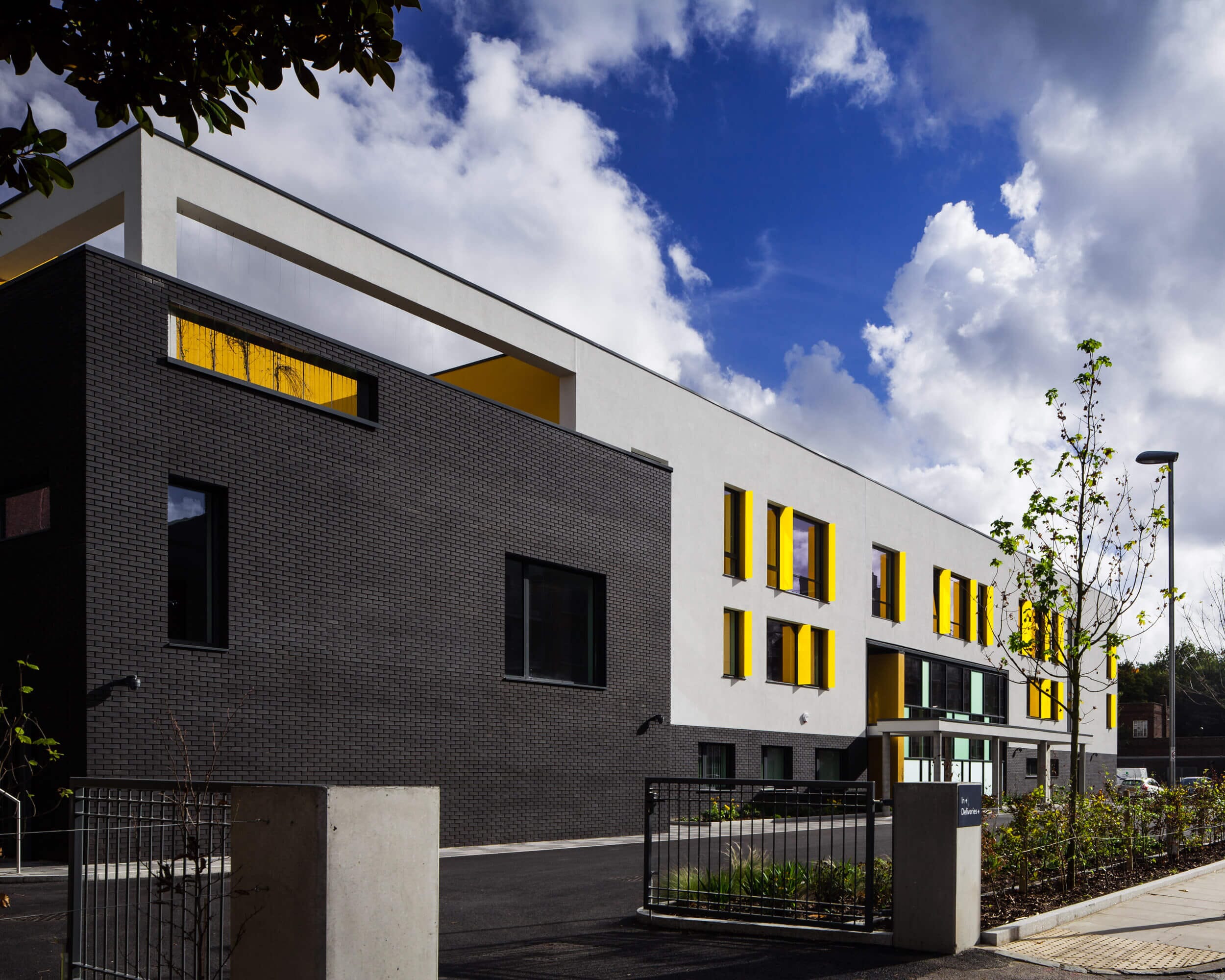







We’ve had the pleasure of working with Glenn from Encon as our BREEAM consultant on both the Kennet School and Shooters Hill Sixth Form College projects, and the experience has been nothing short of excellent. Glenn’s expertise and commitment have been central to the successful delivery of our sustainability goals on these schemes.
