





Why SAP Calculations Matter for UK Home Builds and Conversions
If you’re building, converting, or extending a home in the UK, SAP (Standard Assessment Procedure) calculation is essential for compliance, energy efficiency and running cost predictions.

For developers, architects, self-builders and building control officers – a robust SAP model helps demonstrate compliance with Part L of the Building Regulations, supports the issue of an Energy Performance Certificate (EPC) and can even highlight opportunities to d reduce carbon emissions and energy bills.
Getting it right early can save headaches, costs and delays down the line.
What are SAP calculations?
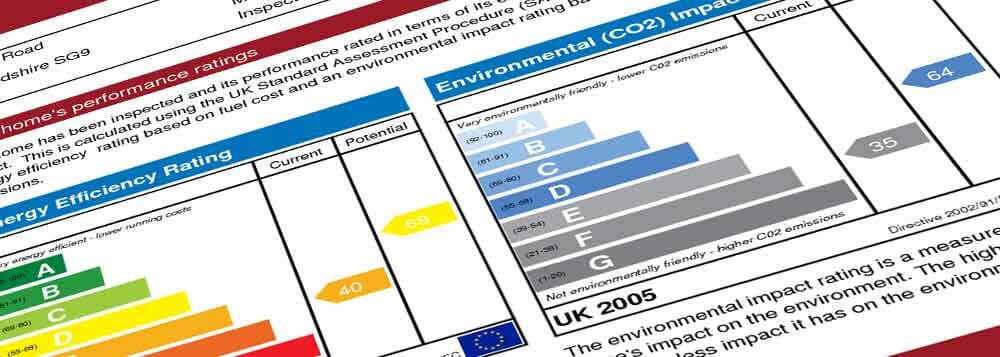
SAP (Standard Assessment Procedure) is the UK Government’s official way of measuring a home’s energy performance. It forms the basis for EPC ratings for new builds, conversions, and some extensions.
The main goals of SAP are to:
-
Produce a SAP rating showing predicted energy use, fuel costs and CO₂ emissions
-
Compare the home’s performance to a “notional” dwelling to ensure Part L compliance
-
Calculate Dwelling Emission Rate (DER) and Dwelling Fabric Energy Efficiency (DFEE)
-
Guide design choices for insulation, heating, ventilation and renewable tech
-
Support the issuance of an EPC once construction is complete
When do you need SAP?
You’ll typically need SAP if your project involves:
-
New build homes – whether detached, semi-detached, terraces, or flats
-
Conversions – turning barns or commercial buildings into homes
-
Extensions – especially if the new glazing is over 25% of floor area or energy systems are changed
-
BREEAM or planning applications – SAP data is often required to meet sustainability credits
Early engagement with a SAP assessor can help avoid costly redesigns later.

Why Choose Encon Associates for SAP Calculations?
We, Encon Associates, are specialists in energy assessments, building physics, and environmental compliance. We provide a full-service approach to SAP calculations, helping clients from initial design stage to as-built verification.
What Makes Encon Associates Stand Out?
-
Early-stage advice – iterative modelling to optimise building fabric and systems
-
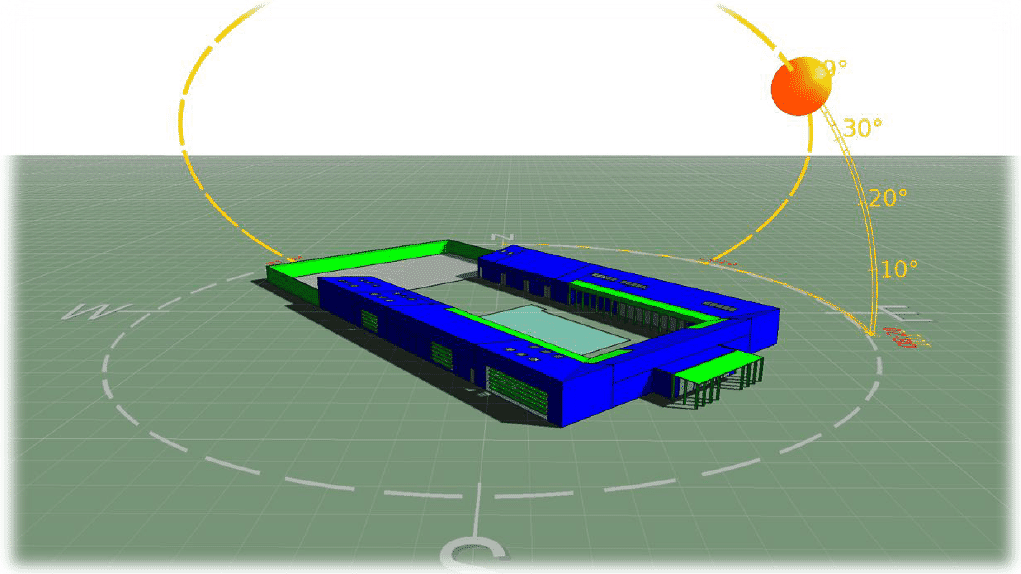
Integrated services – thermal modelling, daylight analysis, BREEAM assessment and EPCs
-
Experience you can trust – decades of work and thousands of projects completed
-
Accurate, defensible reports – covering U-values, airtightness and system efficiency
Understanding SAP: Inputs, Outputs & Common Pitfalls
A proper SAP calculation depends on accurate data and realistic assumptions.
Key Inputs
-
Building Fabric: U-values for walls, roofs, floors, windows, and doors; thermal bridging; airtightness; orientation and shading.
-
Heating, Hot Water & Ventilation: Boiler or heat pump efficiency, distribution losses, ventilation losses, controls.
-
Renewables & Low-Carbon Tech: Solar PV, solar thermal, heat pumps, biomass and any energy offset.
-
Internal Gains & Usage: Occupants, appliances, lighting efficiency and schedules.
-
Fuel & Emissions: Standard fuel factors for gas, electricity and primary energy conversion factors.
Common Pitfalls
-
Engaging too late in the design process
-
Overestimating system efficiency
-
Ignoring thermal bridging or airtightness
-
Not considering occupant behaviour or internal gains
Design Levers for Success
-
Focus on fabric first – insulation, airtightness and low U-values
-
Optimise window placement to balance daylight and heat loss
-
Integrate renewables wisely
-
Run interim SAP models to test different design options
Recommendations for
Builders, Architects & Self-Builders
- Start early – include SAP assessments in planning or early design stages
- Iterate regularly – test different insulation, window and system options
- Use realistic assumptions – especially for airtightness, thermal bridging and system performance
- Leverage Encon’s full services – for daylight, overheating, carbon and overall sustainability
- Verify post-construction – airtightness testing, thermography and checks to match SAP assumptions


Conclusion & Recommendations
SAP calculations are essential for compliance, energy efficiency, and cost-effective home design in the UK. Done right, they can reduce energy bills, lower carbon emissions, and ensure smoother approvals.
Working with Encon Associates gives you:
-
Design-stage guidance and iterative optimisation
-
Cross-disciplinary services under one roof
-
Decades of experience and thousands of successful projects
For UK builders, developers, and self-builders, early engagement with SAP experts like Encon Associates is the key to a compliant, energy-efficient, and future-ready home.