







When are Ecology Surveys required for development?
If you’re currently preparing a planning application for your upcoming development, you might be wondering if you need to submit an Ecology Survey as part of the application.


Ecological information is now a standard expectation for many planning applications. If you don’t complete the necessary surveys at the right time, your local planning authority may request additional assessments after submission, which could end up delaying your project by several months.
We share everything you need to know about when an Ecology Survey is required and how survey seasonality affects your programme, so you can plan ahead and avoid unnecessary delays.
Why Ecology Surveys are needed for planning
Local planning authorities increasingly require ecological information to support your planning application. It provides evidence that your site has been assessed for ecological constraints and demonstrates how you will avoid, mitigate, or compensate for any potential impacts on habitats and species.
Ecology is usually not just a single report, however – it’s a structured process that combines a number of surveys, ecological assessments, and biodiversity planning to ensure that your development complies with the relevant environmental legislation and planning policies.
When Ecology Surveys are required
Ecology Surveys are typically required for any developments that could potentially impact habitats, protected species, or designated ecological sites. These could be:
- Developments on or near brownfield or greenfield land
- Sites containing any trees, hedgerows, grassland, ‘wasteland’, gardens, ponds, or watercourses
- Demolitions or refurbishments of buildings that could support bats or nesting birds
- Proposals that are close to designated ecological sites such as Sites of Special Scientific Interest (SSSIs)
It’s important to note that even small developments may require an Ecology Survey if ecological features are present on your site. Engaging early with a professional Ecologist like Alana or Dean at Encon Associates will help determine what level of survey work you need, and ensure that the right surveys are scheduled at the right time of year.
The starting point: the Preliminary Ecological Appraisal (PEA)
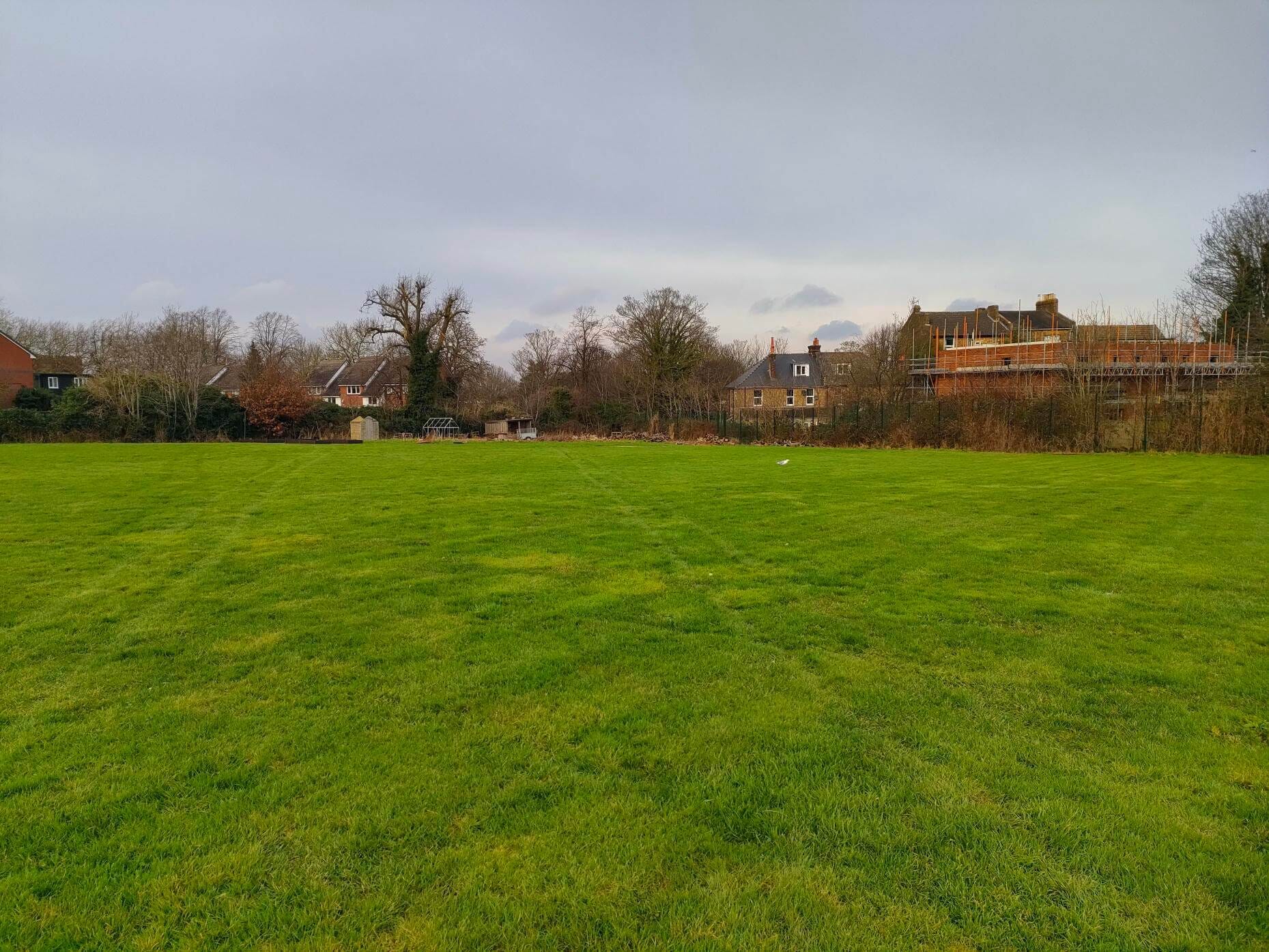
The first step in the Ecology Survey process is completing a Preliminary Ecological Appraisal (PEA). As one of our Ecologists, Dean Fisher, explains: “A Preliminary Ecological Appraisal is always required as it provides the ecological baseline for the site.”
A PEA typically involves a desk study and an initial site walkover survey. The goal of the appraisal is to assess existing habitats on-site and highlight the potential presence of any protected or invasive species.
What other surveys and assessments might be required?
If any potential ecological constraints are identified in the PEA, you may need to carry out additional Protected Species Surveys. These surveys are designed to provide more detailed information on the species present, as well as determining any mitigation or protection measures you may need to implement.
Depending on the characteristics of your site and the habitats present, you may need to undertake surveys for:
- Bats
- Badgers
- Birds
- Reptiles
- Otters
- Great crested newts
- Water voles
- Hazel dormice
- Protected plants
- Invasive species
- Invertebrates
- Habitats and vegetation
- Watercourses and aquatic habitats
Alongside these surveys, you may also need to commission a Biodiversity Net Gain (BNG) Assessment to measure the biodiversity value of the site and demonstrate how your development will achieve at least a 10% improvement in biodiversity compared to the existing baseline. You may also require an Ecological Management Plan (EMP) to evaluate how your development could affect habitats and species on the site and in the surrounding area.
The findings from these assessments will then inform any mitigation strategies needed, which may include habitat creation, habitat management plans, or the integration of green infrastructure such as green roofs and landscaped ecological areas.
Understanding survey seasonality
One of the most important factors in ecological assessment planning is survey seasonality. Many Protected Species Surveys can only be undertaken during specific times of the year, depending on when the species is active or detectable.
For example:
- Bat activity surveys are typically carried out between May and September
- Great crested newt surveys are usually undertaken between March and June
- Reptile surveys are most effective during spring and early autumn
If you miss the specific survey window, you may need to wait until the following season before the necessary surveys can be completed. This could result in your planning application being delayed by several months. Because of these time constraints, it’s essential to factor Ecology Surveys into your project timeline as early as possible.
Need support with an Ecology Survey?
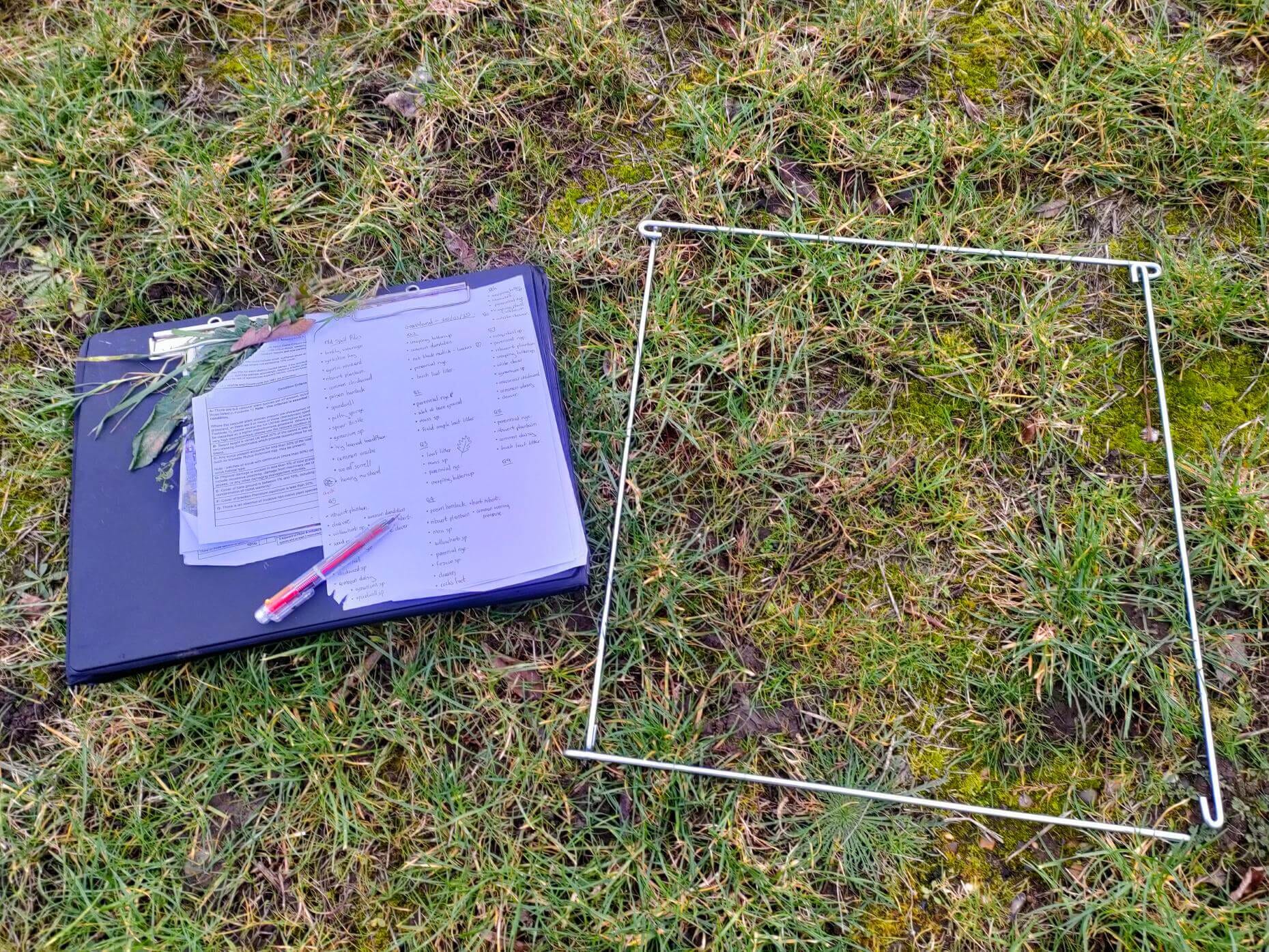
At Encon Associates, we offer a comprehensive range of ecological services that are designed to help you obtain planning approval. Using a combination of desk and site-based study, we help you:
- Plan surveys at the right time of year
- Undertake the required assessments (Preliminary Ecological Appraisals, Protected Species Surveys, Ecological Management Plans, and Biodiversity Net Gain Assessments)
- Advise on appropriate mitigation measures
- Prepare a comprehensive planning ecology report to support your development
Engaging with us early on in your project allows you to identify key opportunities for biodiversity enhancement and ensure that your scheme progresses smoothly throughout the planning process – without any delays.
If you would like to discuss your project or arrange an Ecology Survey, contact our expert team today.
Call: 01159 875 599 or email:












We’ve partnered with Encon Associates on multiple occasions over the past five years, and their performance has consistently exceeded expectations. Their consultancy expertise is truly outstanding, and we fully intend to continue working with them in the future. We would confidently recommend Encon Associates to anyone seeking reliable, high-quality support for their projects.
