




The Top 5 Mistakes That Could Delay BREEAM Projects
Could your BREEAM project be at risk of avoidable delays? From late-stage design changes to missed ecology surveys, small oversights can quickly impact programme timelines and project costs. We’ve highlighted the Top 5 mistakes that could delay BREEAM project (and how to avoid them).

Delivering a successful BREEAM assessment is about more than achieving a rating. Here at Encon Associates, we make sure sustainability requirements are considered early enough to avoid delays, redesigns and unexpected costs later in the project lifecycle!
Here are five of the most common mistakes that can delay BREEAM projects (and how to avoid them).
1. Leaving BREEAM Too Late in the Design Process
One of the biggest causes of delays is involving the BREEAM Assessor too late. Many BREEAM credits influence the building layout, energy strategy, materials selection, transport planning and site infrastructure. If these elements are already fixed before the assessment begins, design teams may need to revisit drawings, specifications or strategies to recover lost credits.
This often leads to:
- Design revisions
- Additional consultant input
- Delayed planning or construction stages
- Increased project costs
How to avoid it:
Engage your BREEAM Assessor and specialist consultants at the earliest RIBA stages. Early collaboration allows sustainability requirements to be integrated into the design from day one rather than retrofitted later.
Missing Critical Evidence Throughout the Project
BREEAM is evidence-driven. Even when sustainable measures are implemented correctly, missing documentation can prevent credits from being awarded. Common missing evidence includes:
- Product datasheets
- Commissioning records
- Acoustic reports
- Ecology documentation
- Site photographs
- Construction stage evidence
Trying to gather this information retrospectively can create significant delays during certification.
How to avoid it:
Set up a clear evidence tracker from the start of the project and assign responsibilities across the design and construction teams. Regular reviews help ensure evidence is collected in real time.

Contact us today!
3. Underestimating Energy Requirements
The Energy section carries the highest weighting within many BREEAM schemes, meaning it can heavily influence the final rating. Projects sometimes delay energy modelling or fail to coordinate the energy strategy with the architectural and MEP design. This can lead to:
- Loss of valuable credits
- Late-stage specification changes
- Plant space issues
- Coordination conflicts
How to avoid it:
Develop the energy strategy early and involve energy consultants throughout the design process. Early modelling helps identify risks before they affect programme timelines.

4. Forgetting About Ecology and Site Constraints
Ecology constraints are often discovered too late, especially when surveys are not commissioned at the correct time of year.
Protected species surveys, biodiversity requirements and habitat constraints can all impact project timelines. Missing seasonal survey windows may delay planning or site works for several months.
How to avoid it:
Commission Preliminary Ecological Appraisals and any required surveys as early as possible. Early ecological input helps identify risks before they become programme-critical issues.

5. Poor Communication Between Project Teams
BREEAM requires coordination between multiple disciplines including architects, MEP engineers, transport consultants, ecologists, acoustic consultants and contractors.
When communication breaks down, responsibilities become unclear and important credits may be missed entirely.
How to avoid it:
Appoint a clear BREEAM lead and hold regular coordination meetings throughout the project. A collaborative approach ensures all parties understand the requirements, deadlines and evidence needed.
Final Thoughts
BREEAM projects do not need to become complicated or delayed, but they do require early planning, coordination and specialist input.
The earlier sustainability is integrated into the project, the easier it becomes to secure credits, avoid redesigns and keep the programme moving smoothly.
At Encon Associates, our multidisciplinary team supports projects across BREEAM, energy, ecology, transport, acoustics and environmental services to help clients reduce risk and deliver successful developments.
If you would like support on an upcoming project, get in touch with our team today
IES TaP for BREEAM
Uncover the award-winning IES TaP for BREEAM
Efficient project management is key to achieving your BREEAM goals on time and within budget.
That’s why we use IES TaP Green Building Rating Tool, an advanced project management tool that is specifically designed for BREEAM sustainability assessments. Our experienced BREEAM consultants work closely with your design and construction teams to ensure that every aspect of your project meets the criteria for BREEAM certification.
Discover more about how IES TaP can streamline your path to BREEAM certification.
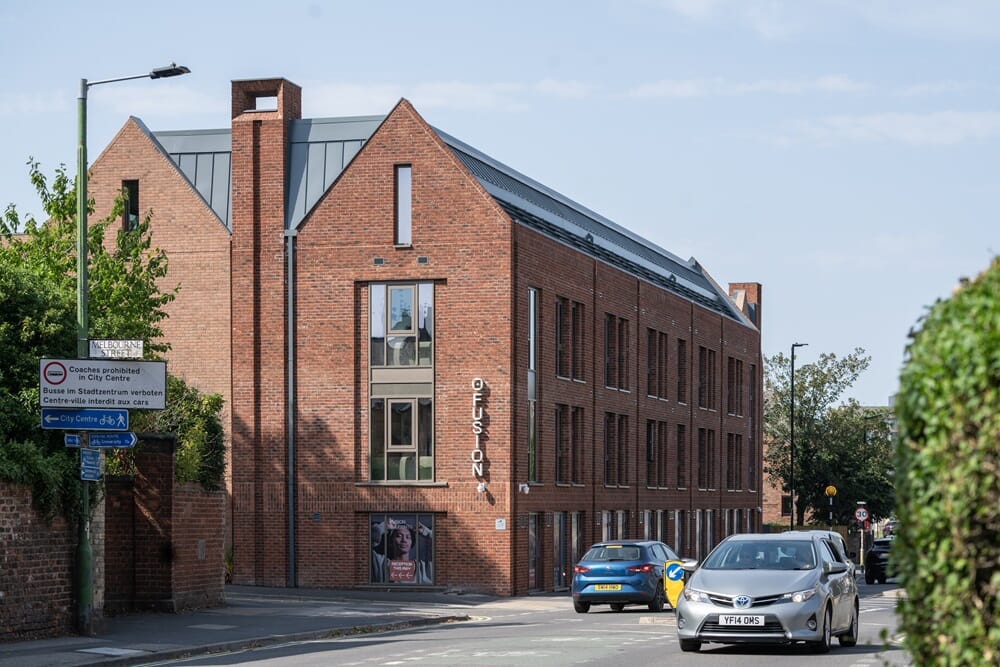


Encon have been brilliant to work with, Encon supported us on a 275 bed PBSA scheme in the centre of York. The whole team were easy to work with and accommodating which made for an easy project. Thanks to the whole team at Encon Associates and Mark Bentley in particular.
our range of environmental assessment services