







What contractors need to know about the BREEAM construction stage
It can be frustrating when your BREEAM Assessor asks for construction records you don’t have, and it’s too late to go back and get them.

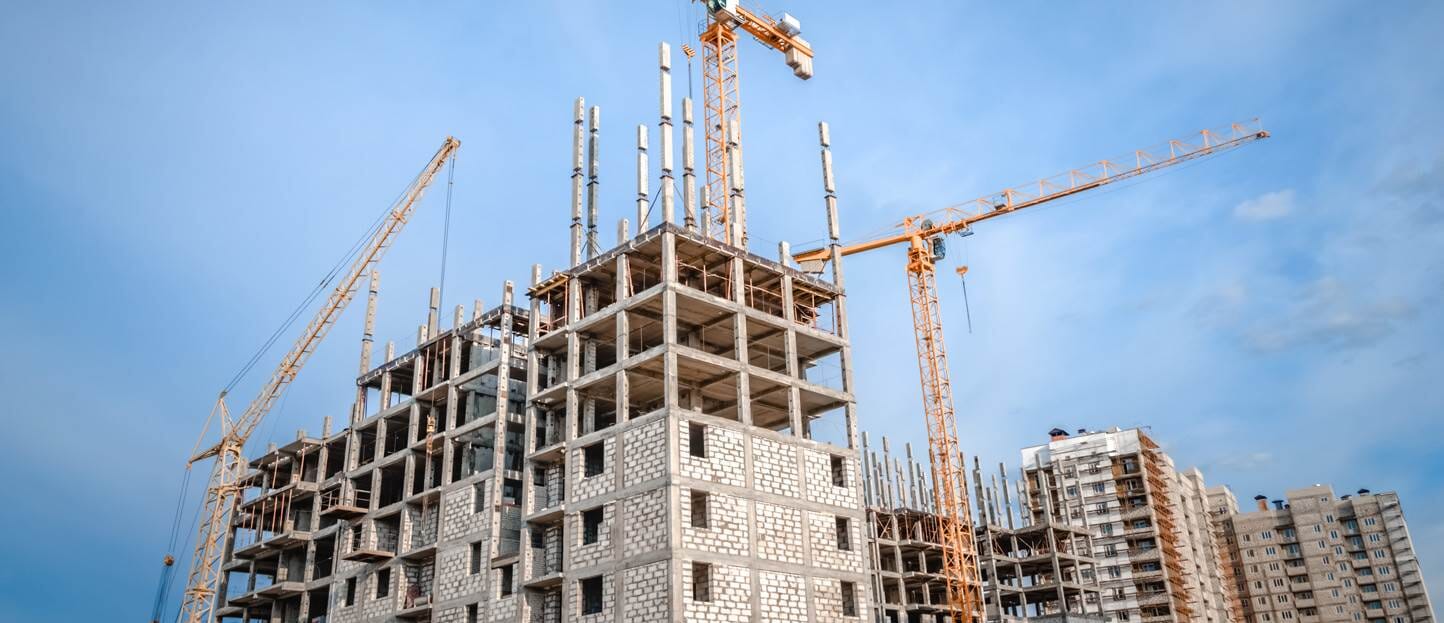
Much of what decides your final BREEAM rating is down to your paperwork habits. It’s vital that you collect evidence as the build happens; if you don’t, certain credits could be gone for good, and you may fall short of your targeted rating.
In this guide, we explain what you need to do, collect, and avoid on-site during the BREEAM construction stage to maximise your credits and potentially boost your overall score.
What happens during the BREEAM construction and post-construction stages
Much of the responsibility for delivering on BREEAM commitments shifts from the design team to the contractor during the construction stage. The design stage, which is completed around RIBA stage 4, produces an interim BREEAM certificate: a statement that confirms your building’s anticipated performance based on design information and commitments. From that point on, it’s down to you to build on those commitments and collect the evidence that proves them.
During construction, your BREEAM Assessor will review the records and evidence being provided to ensure you have delivered on everything promised at design stage. Your Assessor will visit your site around practical completion to conduct a post-construction review and take photographic evidence of the build. Any credits that are missing at this stage generally can’t be recovered, which is why it’s so important to collect the required evidence during construction.
Your Assessor will then compile your final report and send it to BRE for quality assurance. It typically takes between 6-12 weeks to receive your final certificate after submission.
Discover more about what happens at each RIBA stage in our blog post.

Your BREEAM contractor checklist for construction
The exact credits vary by scheme version (V6 or V7) and assessment type, so we recommend asking your BREEAM Assessor or AP for a responsibilities list that’s specific to your project. But as a general rule of thumb, most BREEAM schemes require you to submit the following:
1) Site waste management
You’ll need to produce a Site Waste Management Plan before construction begins. Then, throughout the build, make sure you collect waste transfer notes from your licensed waste contractor and log the volumes using BRE SMARTwaste (the standard recording tool).
2) Site monitoring
Check your targeted BREEAM credits under the Management section. You’ll need to record your energy use in kWh and water use in m³ throughout construction, as well as transport distance and fuel use separated for deliveries and waste removal.
3) Environmental management
Make sure you have an Environmental Management System in place pre-construction. Larger contractors will typically hold third-party ISO 14001:2026 certification, while smaller contractors can instead work towards it in stages using ISO 14005:2019 as guidance. Throughout the build, keep a site logbook and record any pollution incidents or near misses.
4) Considerate construction
BREEAM awards Management credits for considerate construction, assessed against a checklist of 19 requirements. Registering with the Considerate Constructors Scheme (CCS) is the easiest way to demonstrate compliance. Make sure you register before work starts and keep the resulting Monitor’s Report on file, as this will be your Assessor’s primary source of evidence.
5) Ecology protection
If protected species or habitats have been identified on or near your site, your project Ecologist will have set out mitigation measures in an Ecological Management Plan. Ensure you implement these from the start of works via exclusive zones, seasonal restrictions, and an Ecological Clerk of Works where required, and keep clear records throughout the build.
6) Commissioning
As each mechanical and electrical system is signed off (HVAC, lighting controls, sub-metering etc.), be sure to collect the commissioning records, O&M manuals, the building log book and air pressure test results. Then pass these over to your Assessor at handover for submission to the BRE.

How Encon Associates supports you throughout the BREEAM assessment process
Getting your BREEAM site evidence right is much easier when you have an expert BREEAM Assessor on board who briefs you clearly from the outset.
At Encon Associates, our in-house BREEAM Assessors and BREEAM APs have 18+ years’ experience in supporting contractors like you throughout the entire assessment process. We’ll let you know what evidence you need to collect and when, so there’s no risk of lost credits or missed targeted ratings. We’ll keep you updated throughout every RIBA stage and work with you to correct any issues as they arise, so you can rest assured that you’ll achieve your sustainability goals.
Get in touch to take the first step on your BREEAM assessment journey with Encon Associates.












AEC have worked with Encon Associates on the delivery of a new-build school project targeting BREEAM Very Good. Their professional approach, expertise and clear guidance throughout the process were invaluable. Their patience and support in navigating the complexities of BREEAM were particularly commendable.
We are now collaborating with Encon again on another new-build school project, this time aiming for BREEAM Good, and we look forward to achieving this together. Highly recommended.
